Discover the complete annual calendar of Hindu festivals, fasting dates (Vrats), and holy celebrations in 2024. Explore exact Tithi dates, auspicious Shubh Muhurats, puja timings, religious significance, and traditional rituals for major festivities including Maha Shivratri, Holi, Navratri, Janmashtami, and Diwali.
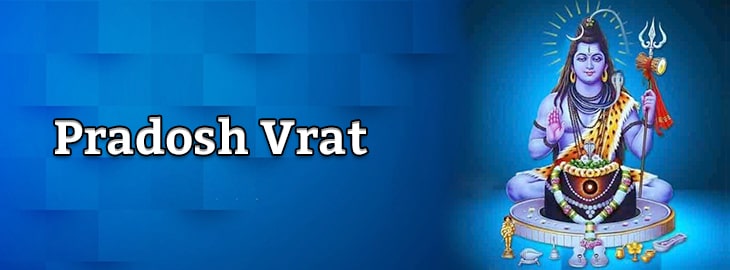
Pradosh Vrat is one of the holy Hindu fasts in the Hindu calendar, Pradosh fast, also known as Pradosham, is a bimonthly occasion devoted to Lord Shiva. It is observed on the 13th day of the lunar fortnight. The day is entirely dedicated and devoted to the best Lord, Shiva and Goddess Parvati. Pradosh Vrat is a sacred fast; emblematize victory, bravery, and removal of fear.
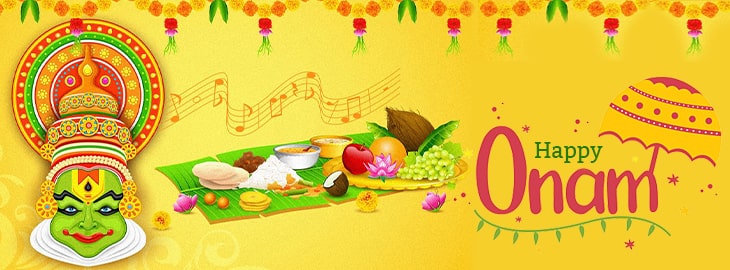
Onam is a 10 day Keralite festival. The most significant day is the tenth day, which is known as Thiruvonam. As it is the major day, people generally interchangeably use the terms Onam and Thiruvonam. Shravan Nakshatra is known as Thiru Onam in Malayalam. Tiru Onam Pooja is perform when Shravana/Thiruvonam Nakshatra in prevalent in the Chingam month as per the Malayalam Calendar.
Raksha Bandhan is celebrated on the full moon day of Shravan (also known as Sawan) every year; that is why it is also known as Rakhi Purnima. It is the day to celebrate the brother-sister love. Sister ties the Rakhi on brother’s wrist wishing him an affluent life and brother promise to protect his sister. The day is also known as Rakhi in some regions. It is one of the main festivals of India.

Purnima in the month of Shravana is known as Shravana or Shravani Poornima as per Hindu calendar. Bath, and charity and penance on this day are considered highly propitious in spiritual scriptures (Grantha). On the same day, festival of Raksha Bandhan is also celebrated. In Central and North India, the festival of Kajri Purnima is also celebrated on this day. Yagyopaveet or Upnayan Sanskar is also performing on this day. Shravana Purnima is considered highly favorable to get rid of Chandra Dosha.
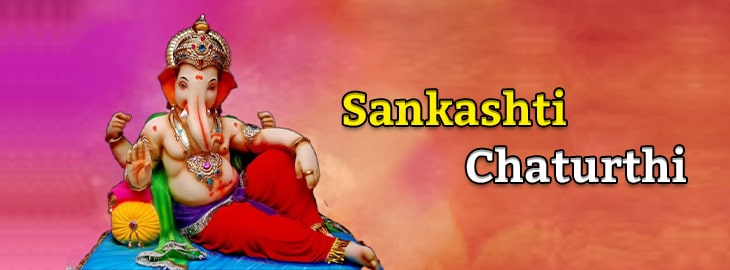
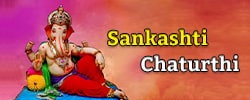
As per Hindu calendar, Sankashti Chaturthi is celebrated on the 4th day of the waning moon half (Krishna Paksha) of the month. It is a favorable festival dedicated to the highest Lord, Ganesha. ‘Sankashti’ is a Sanskrit word which means liberty or freedom from difficulties and bad times and ‘Chaturthi’ means the fourth state. So, worshiping and keeping fast on this day helps you attain peace, wealth, knowledge, and the fourth state.
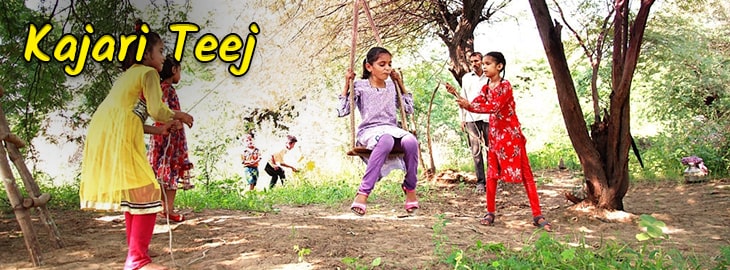
Kajari Teej, also known by the name Kajali Teej, is celebrated on the third day of the Krishna Paksha (dark fortnight) during the lunar month of Bhadrapada. According to the Gregorian Panchang, the day falls during the months of July or August. Kajri Teej is primarily a festival of ladies. It is celebrated in Madhya Pradesh, Uttar Pradesh, Rajasthan and other parts of the country. The festival is also known as Boodhi Teej and Satudi Teej in some region. Like Hartalika Teej and Hariyali Teej, Kajari Teej also holds an immense significance for married women. A fast observed on the day of Kajari Teej leads to happiness and bliss in married life.
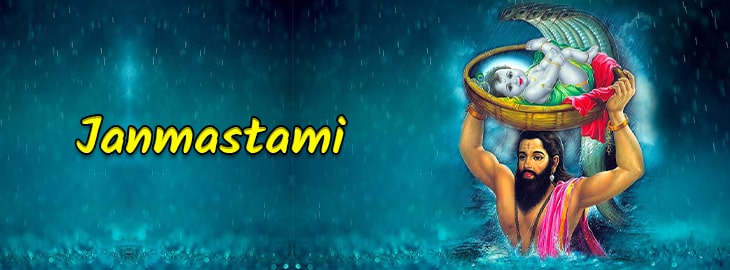
Janmashtami is celebrated as the birthday of God Krishna. In Mathura, the city of Demon King Kansa, God Krishna was born in the prison of the King as the 8th child of Devaki on the eighth day of the dark fortnight of Bhadrapada month. It was midnight and Moon was rising along with Rohini Nakshatra when he was born. Hence, Krishnashtami celebrated the birthday of Lord Krishna every year.
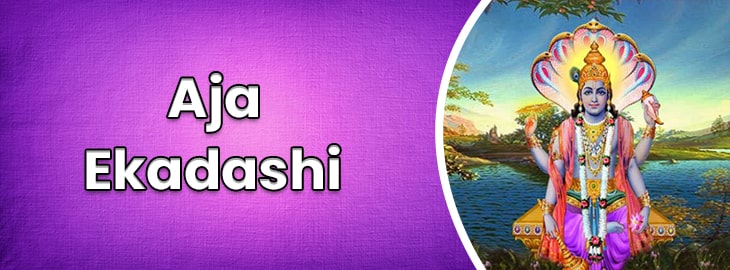
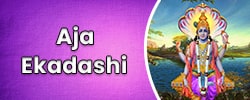
Aja Ekadashi is very blessed by Lord Vishnu ji, because of which, the person who fast on this day get blessings from both God Vishnu and Goddess Lakshmi. This Ekadashi is also known by the name of Annada Ekadashi.
Pradosh Vrat is one of the holy Hindu fasts in the Hindu calendar, Pradosh fast, also known as Pradosham, is a bimonthly occasion devoted to Lord Shiva. It is observed on the 13th day of the lunar fortnight. The day is entirely dedicated and devoted to the best Lord, Shiva and Goddess Parvati. Pradosh Vrat is a sacred fast; emblematize victory, bravery, and removal of fear.
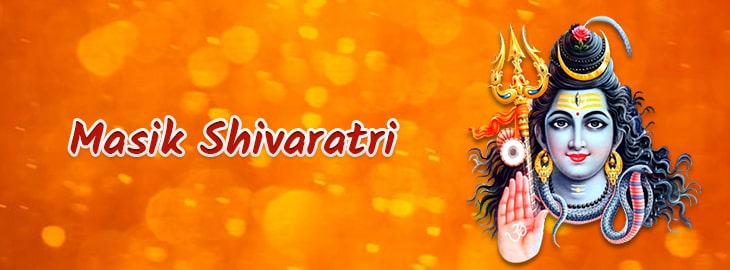
As per Hindu calendar, Masik Shivratri is notable on the 14th day of each month during the waning moon (Krishna Paksha) half. Masik means ‘monthly’ and Shivaratri means ‘night of Lord Shiva’. The day is observed every month whereas Mahashivratri falls once in a year. The fast of Masik Shivratri helps spinsters attain desired partners. Not only the day helps devotees manage their senses but it also helps them to curb rogue feelings of anger, jealousy, pride, and seduction.

The celebrations associated with New Years, and choose January 1st as the New Year's Day, originate in the Roman Period. The early Roman calendar, assumed to have been made by the founders of Rome, Romulus, consisted of 10 months and 304 days. According to this calendar, each New Year was to start at the Vernal Equinox.
Muhurat & Vidhi
Ekadashi in Krishna Paksha during Paush month is known as Saphala Ekadashi. As Saphala means achievement, so it is assumed that by fasting on this day all tasks of a person get prosperous. On this day, Lord Achyuta is worshipped.
Muhurat & Vidhi
According to Vedic calendar, Paush Amavasya is said to be observed on the last date of Krishna Paksha in Paush month. According to virtuous bond, this day holds a great significance, as several favorable activities and functions are carried out on this date. Shraadh and oblation (tarpan) is carried out on this day in order to rest the spirit of fore fathers and elders in peace. On the other hand, fast is done in order to get rid of Pitra Dosh and Kalsarpa Dosh. Worshipping Lord Sun on this day in Paush month is said to be greatly important.
Muhurat & Vidhi
Makar Sankranti is celebrated on the 14th of January every year. Unlike most Hindu festivals which are laid down as per the changing positions of the Moon and are based on the Lunar Calendar, Makar Sankranti is based on the Solar Calendar. Every year, Makar Sankranti is celebrated to mark the moving of the Sun in the Capricorn or Makar sign. The word ‘Sankranti’ literally means ‘movement’. Hence, the festival accurately denotes the movement of the Sun into Makar zodiac.
Muhurat & Vidhi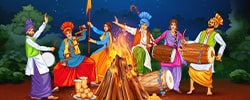
The festival of Lohri is meant to be celebrated on winter solstice. On the day after Lohri, day light is meant to rise people believe that it brings a pleasant morning of hope. It is a harvest festival which is fervently celebrated by Sikhs. It is mainly the festival of and Haryana. The celebrations of Lohri start early in the morning and people wish each other with great enthusiasm and Punjab. Let’s know more about this festival.
Muhurat & Vidhi
The term Uttarayan is made from two Sanskrit words? Uttara, Ayan Which means north and movement respectively? So, the word Uttarayan means the movement of earth towards earth on the celestial sphere. This process starts the day after winter solstice in January and is constant till the period of summer in June. As per the calculations, when Sun enters Capricorn sign from Gemini, this transit is known as Uttarayan. And after this when Sun shift from Cancer to Sagittarius, this is termed as Dakshinayan.
Muhurat & Vidhi
Pongal is a crop festival which is celebrated in Tamil Nadu for four days. It is the most well-liked festival and is mainly celebrated in the southern states of India 4 days to devote a vote of thanks to nature. It is delight in the month of Thai (January - February) during this period when crops like rice, sugarcane, turmeric, etc. are being harvested.
Muhurat & Vidhi
Ekadashi in Shukla Paksha during Pausha month is called Pausha Putrada Ekadashi. Lord Vishnu is worshipped on this day. It is assumed that if a being fasts on this day, she/he is blessed with a children and so the name Pausha Putrada Ekadashi. This Ekadashi is very popular among female society. The cause of this Ekadashi fast also guards one’s child from all wrongdoings and evil.
Muhurat & Vidhi
Subhash Chandra Bose was born on 23rd January 1897, in Cuttack, Orissa Division, Bengal Province, to Prabhavati Dutt Bose and Jankinath Bose.
Muhurat & Vidhi
All Indian peoples celebrate Republic day, which is a gazette holiday on January 26 each year. It is a day to remember when India's constitution came into force on January 26, 1950, completing the country's change toward becoming an independent republic.
Muhurat & Vidhi
Basant Panchami is celebrated on the 5th day (Panchami Tithi) of the bright fortnight (Shukla Paksha) of the Hindu month Magh. From this day, Vasant Ritu (the spring season) begins in India. Saraswati pooja is also performing on this day. The celebration takes place when the Panchami Tithi performed during the first half of the day i.e. the time between sunrises and noon.
Muhurat & Vidhi
Saraswati Pooja is celebrated on the 5th day (Panchami Tithi) of the Shukla Paksha of the Hindu month of Magha. This day is also known as Basant Panchami. Goddess Saraswati is worshiped for knowledge, intelligence, culture, wisdom, music and art. It is believed that worshiping Goddess Saraswati in the brilliant fortnight of the month of Magha (fifth day) is of highly importance.
Muhurat & Vidhi
Mahashivratri is one of the biggest festivals of Hindus. As per the South India Panchangam (Amavasyant Panchang), Maha Shivratri is celebrated on the 14th day of the dark fortnight in the Magha month. On the other hand, as per the Panchang of North India (Purnimant Panchang), festival of Maha Shivaratri is observed on the 14thday of the dark fortnight in the Falgun month.
Muhurat & Vidhi
Holika Dahan, the first day of the celebration, is observed on the full moon day of Hindu month Falgun. On the next day, festival of colors (also known as Dhulandi, Dhulandi, and Dhuli) is famous. Festivity of Holi marks the triumph of good over bad.
Muhurat & Vidhi
Holi–the festival of colors–also known as Vasant Utsav, falls on the Pratipada during dark half (Krishna Paksha) of the Chaitra Month as per Hindu calendar. If the Pratipada is falling on two days then the first day is believe as the day of Dhulandi (Vasantotsav or Holi). Holi is also celebrated as the advent of spring season by taking impetus from the colors. This festival is also known as Dhulandi, a name well-liked in the state of Haryana.
Muhurat & Vidhi
Gudhi Padwa is the Marathi festival, which is famous because Hindu New Year (known as “Samvatsara” in Sanskrit) begins from this day. As per the Panchang, Nav Samvatsar begins from the Pratipada of Shukla Paksha (bright fortnight) of Chaitra month.
Muhurat & Vidhi
Ugadi is the Hindu New Year celebrated by the people of the Deccan region of India. The 2021 Telugu Samvatsara is Ānanda 2078. Ugadi Panchangam Ugadi is celebrated on the Chaitra Shukla Pratipada (1st day of the bright fortnight of the Hindu month Chaitra), as per the Panchangam.
Muhurat & Vidhi
Chaitra Navratri is the 9-day Hindu festival. It begins on the 1st day of Hindu lunar calendar. The fair marks the worshiping of 9 incarnations of Goddess Shakti or Goddess Durga. Every year, this favorable Hindu festival is celebrated in the month of March and April. It is famous in the Hindu month of Chaitra and devoted to 9 avatars of Goddess Durga.
Muhurat & Vidhi
Cheti Chand is one of the most necessary festivals of the Sindhi community and is commemorate in cachet of the birth of Sindhi Philanthropist Saint Jhulelal. This festival is celebrated as the Sindhi New year and it falls on the 2nd day of brighter lunar fortnight (Shukla Paksha) in Chaitra month. On this eve, people pray for prosperity and wealth to the powerful Lord Varun (Deity of Water).
Muhurat & Vidhi
Baisakhi, the harvest festival of India which marks the starting of Sikh New Year as per Nanakshahi Solar calendar. It is hugely celebrated by the people of Sikh society. Every year Baisakhi falls on the 1st month of Bikram Samvat in Hindu Panchang. Moreover, in India Vaisakhi is especially popular in Punjab. This is the day when the 10th Guru, Guru Gobind Singh recognized Holy Khalsa in 1699.
Muhurat & Vidhi
Dr Ambedkar Jayanti celebrates the birthday anniversary of Baba Saheb Bhimrao Ambedkar, an Indian politician and social rights activist. Ambedkar Jayanti is a vital day for Indian officials and citizens. The holiday is renowned on April 14 each year. Ambedkar Jayanti is oriented around and reflection and happiness. Ambedkar Jayanti is a public holiday that allows the Indian people to reflect on the social progression of India.
Muhurat & Vidhi
Ram Navami marks the birthday of Lord Ram, who is known to be the 7th embodiment of Lord Vishnu. Every year on Chaitra Shukla Navami (the 9th day of the bright fortnight of the Hindu Lunar month, Chaitra) Ramnavami is celebrated. In several temples, Sri Ramnavami is celebrated for 9 days from the 1st day of Chaitra Navratri. Also, people watch fast on this day.
Muhurat & Vidhi
Chaitra Navratri Parana is performing on the Dashami Tithi of Chaitra Shukla Paksha (bright fortnight of the Hindu month, Chaitra). It is the day when Nine-day Chaitra Navratri fair comes to an end.
Muhurat & Vidhi
Hanuman Jayanti is celebrated as the birthday of Lord Hanuman. On this day, the devotees keep Vrat. Every year, Hanuman Jayanti happens on the full moon day of the Hindu month Chaitra. At some places, Hanuman Jayanti is celebrated on the 14th day of the dark fortnight in the Hindu month Kartik.
Muhurat & Vidhi
Akshaya Tritiya, which is also known as Akha Teej, is celebrated on Vaishakh Shukla Tritiya (the 3rd Hindu date of the bright half of the Hindu month Vaishakh). It is a main festival for the people of Sanatana Dharma.
Muhurat & Vidhi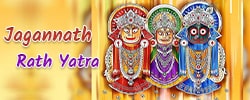
Devoted to Lord Jagannath, the Jagannath Rath Yatra is a very important festival for Hindus which is organized every year at the Jagannath temple Puri. This Rath Yatra is commemorated with energy and colossal zest at Puri in Orissa. The Jagannath Puri Rath Yatra is commemorating on the second day (Dwitiya) during the Shukla Paksha of the Ashada month. This festival marks the annual visit of Lord Jagannath to the famous Gundicha Mata temple. This is a very famous festival all across the globe, as people from different areas of the world turn up to substantiation the Rath Yatra.
Muhurat & Vidhi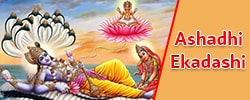
Ekadashi refers to the 11th Tithi of a lunar month. There are two Ekadashi in every lunar month, out of which one falls in the Shukla Paksha (waxing phase), and the other during Krishna Paksha (waning phase). Ekadashi are devoted to the adoration of god Vishnu. The Ekadashi that falls during the Shukla Paksha (Brighter fortnight), during the month of Ashadha is known as Ashadhi Ekadashi. It is known by different names such as Devpodhi Ekadashi, Toli Ekadashi, Devshayani Ekadashi, Padma Ekadashi, Maha Ekadashi, Hari Sayana Ekadashi, etc.
Muhurat & Vidhi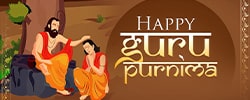
Guru Purnima is celebrated on the full moon date of the Hindu month Ashadha. On this day, the Guru (mentor or teacher) in worshiped. In general terms, Guru is the person who brings us out to the light from the darkness by helpful us with knowledge. This festival is celebrated with full belief and emotions throughout the nation.
Muhurat & Vidhi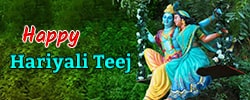
The 3rd day of the Shukla Paksha of the Shravan month is called Hariyali Teej or Shravani Teej. As per the English Calendar, the festival happens in the month of July or August. The Teej festival commemorates the women and their spirit of producing offspring’s. As the season of Monsoon begin, Mother Earth is covered with green hued plants and fragrant flora all around, the women swing and dance their way to zeal and celebration of their abundant life.
Muhurat & Vidhi
Nag Panchami is celebrated on the 5th date of the bright half of the Sawan month. As per astrology, Lord of the 5th Hindu date is snake. This Nag Panchami day, snakes are worshiped cardinality.
Muhurat & Vidhi
Raksha Bandhan is celebrated on the full moon day of Shravan (also known as Sawan) every year; that is why it is also known as Rakhi Purnima. It is the day to celebrate the brother-sister love. Sister ties the Rakhi on brother’s wrist wishing him an affluent life and brother promise to protect his sister. The day is also known as Rakhi in some regions. It is one of the main festivals of India.
Muhurat & Vidhi
Kajari Teej, also known by the name Kajali Teej, is celebrated on the third day of the Krishna Paksha (dark fortnight) during the lunar month of Bhadrapada. According to the Gregorian Panchang, the day falls during the months of July or August. Kajri Teej is primarily a festival of ladies. It is celebrated in Madhya Pradesh, Uttar Pradesh, Rajasthan and other parts of the country. The festival is also known as Boodhi Teej and Satudi Teej in some region. Like Hartalika Teej and Hariyali Teej, Kajari Teej also holds an immense significance for married women. A fast observed on the day of Kajari Teej leads to happiness and bliss in married life.
Muhurat & Vidhi
Janmashtami is celebrated as the birthday of God Krishna. In Mathura, the city of Demon King Kansa, God Krishna was born in the prison of the King as the 8th child of Devaki on the eighth day of the dark fortnight of Bhadrapada month. It was midnight and Moon was rising along with Rohini Nakshatra when he was born. Hence, Krishnashtami celebrated the birthday of Lord Krishna every year.
Muhurat & Vidhi
Independence Day is a national public holiday on 15 August to celebrate the day in 1947 when India became independent from British rule. European traders had been settled in India since the 17th Century. In the 18th Century the East India Company, a British company trade items like cotton, silk, tea and salt, won lots of areas of India and soon claimed it as its own.
Muhurat & Vidhi
Hartalika Teej Vrat is one of the primary Vrats in Hindu faith. Hartalika Teej is celebrated on the 3rd day of Shukla Paksha in the month of Bhadrapada. Actually, worshiping God Shiva and Goddess Parvati holds a lot of believe in the Hast Nakshatra of the 3rd day of Shukla Paksha in the Bhadrapada month. Hartalika Teej is observed by single girls and married women both. Moreover, widows can also observe this Vrat.
Muhurat & Vidhi
Ganesh Chaturthi is celebrated every year in the Bhadrapada month’s 4th day of bright fortnight. As per the beliefs, Lord Ganesha was born on this day during Madhyahna Kaal on Monday in Swati Nakshatra and Leo ascendant. That’s why this one is consider as the main Vinayaka Chaturthi or Ganesh Chaturthi. It is also known as the Kalank Chaturthi and in some areas; people also know it as Danda Chauth.
Muhurat & Vidhi
Onam is a 10 day Keralite festival. The most significant day is the tenth day, which is known as Thiruvonam. As it is the major day, people generally interchangeably use the terms Onam and Thiruvonam. Shravan Nakshatra is known as Thiru Onam in Malayalam. Tiru Onam Pooja is perform when Shravana/Thiruvonam Nakshatra in prevalent in the Chingam month as per the Malayalam Calendar.
Muhurat & Vidhi
The Anant Chaturdashi fast holds a great deal of significance in the Hindu faith. The festival is also known by the name of Anant Chaudas. The day commemorates the Lord of numerous avatars, Lord Vishnu.
Muhurat & Vidhi
Gandhi Jayanti is celebrated on 2 October in India and the annual celebration stands out as an international symbol of peace. Gandhi’s life is revered in India and around the world as an example of how to live simply and faithfully. On his birthday, October 2nd, people across India gather together to observe Gandhi Jayanti. They offer Garland of flowers on pictures and statues of his likeness, sing songs, pray, and light candles. All government banks, post offices, offices, and schools are closed for this holiday.
Muhurat & Vidhi
Navratri is a 9-day long, favorable festival famous all over India for different reasons every year. It is culturally dedicated to Goddess Durga, an exemplar of Shakti or the cosmic energy. Among all the five Navratris (Chaitra, Aashadh, Ashwin, Paush and Magh) that fall in a year, Sharad Navratri is the most essential one. Apart from that, Ashadha, Magh, & Paush are known as Gupt Navratris.
Muhurat & Vidhi
Durga Ashtami is celebrated on the 2nd day of Durga Pooja. It is also called as Maha Durga Ashtami. On the day of Durga Ashtami, the process of worshiping Goddess Durga is same as that of Saptami. However, on this day Praan Pratishtha is not done. On the day of Durga Poojan Ashtami after the Maha Snaan, Goddess Durga’s Shodashopachara Poojan is done.
Muhurat & Vidhi
Maha Navami is contemplated as 3rd and the last day of Durga Pooja. Maha Navami also begins with Maha Snaan and Shodashopachara Pooja. On the day of Maha Navami Goddess Durga is worshiped and reverenced as Mahishasura Mardini which means the annihilator of Mahishasura. It is assumed that on this very day Goddess Durga kill Mahishasura.
Muhurat & Vidhi
Dussehra is celebrated on the day when Dashami Tithi (10th date) of the Shukla Paksha (bright fortnight) of Ashwin month is prevalent during the Aparahan Kaal. The festival is celebrated to remark the wining of good over evil because on this day, God Rama had killed Ravan. At some places, the festival is also known as Vijayadashami, as it is assumed to be associated with the Goddess Vijaya. Some people also know this festival as Ayudha pooja.
Muhurat & Vidhi
Perform on the Tenth day of the Sharad Navratri; the Dashmi Tithi is commemorating as the day when the cluster of Shardiya Navratri comes to an end. It’s always been a mystery as to when the Parana must be observed, i.e. either on the Navami or on the Dashami. As per the Mimansas, the Navratri Parana must be performing on the Dashami. According to them, there are plenty of texts suggesting that the Dashami Tithi is great for Parana as the fast is observed on the Navami Tithi.
Muhurat & Vidhi
Karva Chauth is celebrated on the 4th day of the dark half in Hindu month Kartik. On this Karva Chauth day, married women keep fast to prolong the life of their husband. Those who are unmarried, keep this fast to get a good husband in future. Ceremony of Karwa Chauth is celebrated with great zeal and gusto in North India.
Muhurat & Vidhi
Celebrated on the 13th day of the Kartik month of the Dark Lunar fortnight (Krishna Paksha), Dhanteras grace the lives of the masses with wealth. Known by two names, Dhantrayodashi and Dhanvantri Jayanti, the festival lauds the search of the ‘Amrit Kalash’ by the Father of Ayurveda, God Dhanvantri by churning the sea.
Muhurat & Vidhi
Narak Chaturdashi is a festival celebrated in the month of Kartik, on the 14th day of the waning moon. It is also known as Narak Chaudas, Roop Chaudas or even Kali Chaudas. As per the earliest Indian mythology, people admire the Lord of death ‘Yamraj’ with utmost loyalty and adoration. As it is celebrated a day before Diwali, it is also known as Chhoti Diwali. On this day, people light up Diyas at their homes after dusk. By lionizing the god of death, people make sure that they are absolving from the clutches of premature death as well as pray for a better or improved health.
Muhurat & Vidhi
Diwali, also known as Deepavali, is an important festival of the Hindus, which encompass the 5 day long festivities ranging from Dhanteras to Bhaiya Dooj. The festivity extends to all of India, parts of Nepal and various other area of the world. The word Deepavali means series of light lamps, due to which Diwali is referred to as the festival of lights. Diwali signify the victory of light over darkness, portraying the success of good over evil.
Muhurat & Vidhi
Govardhan Pooja holds extreme significance in Hindu faith. These festivals exemplify the nature and the human beings. According to the Hindu calendar, Govardhan Pooja or Annakoot is commemorating on the 1st day of Shukla Paksha in the month of Kartik. This festival is celebrated throughout the country, but its spirit reaches acme in North India especially in the areas of Vraj Bhumi comprise of Mathura, Vrindavan, Nandgaon, Gokul, and Barsana.
Muhurat & Vidhi
The festival Bhai Dooj is the one that signify the special connection between a brother and a sister. The bond which unlike any other, stands out from the rest in its own and special way. This special connection is also known as Bhai Teeka, Yam Dwitiya, Bhrat Dwitiya etc. Bhai Dooj generally falls on the dark lunar fortnight, in the month of Kartik. This date falls right after Diwali, 2 days to be exact.
Muhurat & Vidhi
Chhath Pooja, also known as Sun Shashthi is celebrated on Kartik Shukla Shashthi. This festival is celebrated after six days of Diwali and mainly celebrated in the states of Uttar Pradesh, Bihar and Jharkhand with great glee. On Chhath Pooja, worshiping Sun God and Chhathi maiya helps you gain wealth, health and happiness. In the last few years, Chhath Puja has got a special significance as a folk festival. This is the reason why the festival is celebrated with great pomp and display.
Muhurat & Vidhi
Children's Day is celebrated on 14 November in India to honor the birth anniversary of Pt. Jawaharlal Nehru. He was born on 14 November 1889. Jawaharlal Nehru had huge love, care, and liking for children and so, they call him Chacha Nehru. (Let us have a look at Children's Day and its celebrations).
Muhurat & Vidhi
For most of the masses, Christmas is all about going to a local mall and admires the decoration of the Christmas tree. The shiny twinkling lights wrapped around the Christmas tree and the gifts hang to greet, meet and visit, Christmas always held this magical image in the hearts of the people. But, there are many Christmas carols and tales connected with the Christmas tree that you might not be familiar with.
Muhurat & VidhiHindu festivals (Utsavas) and fasting days (Vrats) are deeply interwoven with astronomy, nature's seasonal shifts (Ritus), and cosmic spiritual energies. Calculated using the ancient Vedic Lunisolar calendar, each festival aligns human consciousness with divine grace and spiritual rejuvenation.
Based on the Sun's transit (Sankranti) into zodiac signs. Celebrations like Makar Sankranti, Baisakhi, and Pongal mark agricultural harvests and solar transitions.
Calculated based on Tithis (lunar phases). Festivals like Diwali (Amavasya), Holi (Purnima), Maha Shivratri (Krishna Chaturdashi), and Navratri celebrate divine triumphs.
Periodic spiritual purification observances: Ekadashi (twice a month dedicated to Lord Vishnu), Pradosh Vrat (Lord Shiva), Sankashti Chaturthi (Lord Ganesha), and Satyanarayan Vrat.
Performing festival rituals during auspicious Chaughadiya, Abhijit Muhurat, or Pradosh Kaal multiplies the spiritual merit and cosmic blessings of the deity.